
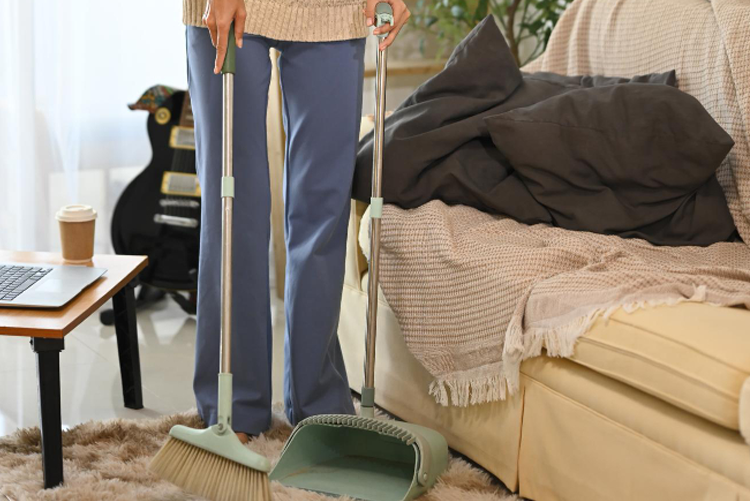
If you have ever looked down at your floors after a windy Colorado afternoon, you have probably wondered “How often should you sweep?” to keep your home feeling clean without turning it into a full-time job. Denver homes deal with dry air, sudden snow, spring pollen, and plenty of dust that drifts in from outside.
That combination makes sweeping more than just a cosmetic task. It plays a big role in keeping dirt from spreading through the rest of your house. Finding the right rhythm can help your floors last longer and make your home feel more comfortable day to day.
Why Denver Homes Collect Dust So Quickly
Denver’s climate plays a major role in how quickly debris builds up. The city’s dry air lets fine dust move easily, especially on windy days. Even with windows closed, particles slip in through door gaps and air vents. Over time, that dust settles on hardwood, tile, and low-pile carpet.
Winter creates another layer of buildup. Melted snow turns into moisture mixed with salt and tiny gravel pieces. Boots track those materials inside, and they dry into gritty residue. When that residue sits too long, it can scratch hardwood and dull tile surfaces.
Spring and summer bring different challenges. Pollen levels rise across the area, and outdoor activity increases. Kids move in and out of the house, pets spend more time outside, and backyard gatherings become frequent. All that movement carries extra dirt indoors.
Seasonal shifts explain why many homeowners question “How often should you sweep?” during the year. Floors rarely stay spotless for long in this environment. That reality reflects local conditions, not your housekeeping habits.
General Sweeping Guidelines for Most Homes
In an average Denver household without pets or young children, sweeping high traffic areas two to three times per week works well. Entryways, kitchens, and hallways usually need the most attention. These spaces trap most dirt before it spreads into bedrooms and living areas.
Lower traffic rooms often stretch longer between cleanings. Guest rooms and home offices may only need a quick sweep once each week. Visible crumbs, dust, or small debris signal that it is time to grab the broom.
Hardwood and tile benefit from consistent upkeep. Small particles act like sandpaper under shoes and furniture. Over time, that friction can leave tiny scratches that dull the finish. Regular sweeping helps protect your investment without adding hours to your routine.
Vacuuming can replace sweeping if you prefer that method. The same frequency still applies. Consistency matters more than waiting until floors look heavily soiled.
How Pets and Kids Change the Schedule
Homes with pets or young children usually need more frequent attention. Dogs and cats shed hair and track in dirt, even when paws get wiped at the door. Fur gathers along baseboards and under furniture. It also collects in corners where airflow stays low.
Daily sweeping in main living spaces often makes sense for active pet households. A quick pass through the kitchen, living room, and entryway keeps hair and debris manageable. Each session can stay light and focused.
Children create another layer of mess. Snack crumbs, craft scraps, and playground dirt land on floors first. A light sweep every day or every other day prevents buildup from getting out of control. Weekly cleaning then feels easier and faster.
Many families discover that small daily resets answer the question of how often should you sweep more effectively than one long session each week. Frequent quick cleanups keep the home feeling fresh.
Floor Type Matters More Than You Think
Different flooring materials react differently to dirt. Hardwood shows dust quickly, especially with darker stains. Tile hides some debris but traps grit in grout lines. Laminate handles dry sweeping well and benefits from removing debris before mopping.
Carpeted rooms still collect debris near edges and under furniture. Homes with mixed flooring benefit from focusing sweeping efforts on hard surfaces while vacuuming carpet on a separate plan.
If you have delicate finishes or older wood floors, frequent light sweeping is often better than infrequent heavy cleaning. It reduces the chance of grinding dirt into the surface. Over time, that small habit can make a noticeable difference in how your floors look and feel.
Understanding your floor type helps you set realistic expectations. Some materials simply require more attention than others, especially in a city like Denver, where outdoor conditions change so often.
A Simple Weekly Rhythm That Fits Denver Life
Most Denver homes do well with a flexible routine that follows real life, not a perfect calendar. Sweeping entryways and kitchens more often keeps grit from spreading, especially after windy days or snowy mornings. Living rooms and main hallways usually need attention a few times per week because shoes, pets, and daily traffic funnel through those spaces. Bedrooms and low-use rooms can stay on a lighter schedule, then get a more thorough sweep before vacuuming or mopping day.
Season changes should guide your pace, too. Spring pollen and summer outdoor time can push debris indoors faster, so sweeping tends to ramp up during those months. Winter brings salt and small stones that can scratch floors, so quick sweeps near the door help a lot.
After hosting friends, cooking a bigger meal, or finishing a home project, a same-day sweep keeps the mess from settling in. Sweeping feels easier when it becomes a short reset, not a long cleanup.
Signs It’s Time to Sweep Sooner
Dust lines along baseboards are a common clue in Denver, especially in rooms with steady airflow. Grit underfoot near the entry or kitchen also means dirt is building up faster than your current routine can handle. Pet hair gathers in corners and under chairs, then spreads with foot traffic. If your socks pick up fuzz or crumbs, the floor is already asking for a quick pass.
Allergies can be another hint. Dust and pollen settle on hard floors, then get kicked back up as you walk. A simple sweep can help the home feel fresher, especially in high-traffic areas. Floors that look dull or streaky after mopping often have leftover debris that should be swept first.
How Denver Cleaning Service Company Can Help
At Denver Cleaning Service Company, we help homeowners keep floors clean without adding stress to their week. Our home cleaning services focus on the areas that collect the most dust and grit in Denver, like entryways, kitchens, hallways, and living spaces.
We handle the buildup that daily life leaves behind, including hair, crumbs, and fine dust that likes to hide along edges. For higher margin jobs like move-out cleanings and post-construction cleanups, we tackle heavy debris and detailed floor work at a higher hourly rate, so the home is ready for the next step.
Denver Cleaning Service Company keeps the tone friendly and conversational while still delivering sharp, reliable results.
Schedule a home cleaning with us today.
Recent Comments