
Quick Summary
A neglected bathroom builds up soap scum, bacteria, and mineral deposits within weeks, with the toilet bowl and grout lines showing the earliest signs. Mold and mildew take hold quickly in moist, low-airflow spaces and release spores that affect breathing. Lingering odors usually trace back to drains, damp towels, or grime trapped in porous surfaces, not a lack of air freshener.
A bathroom seems easy to ignore between cleanings. It’s a small room, the door stays closed, and a quick wipe of the counter feels good enough most weeks.
However, what happens if you don’t clean your bathroom goes well beyond a little dust on the windowsill. At Denver Cleaning Service Company, we’ve seen what skipped cleanings do to bathrooms over time, and the changes happen faster than most homeowners expect.
What Happens If You Never Clean Your Bathroom
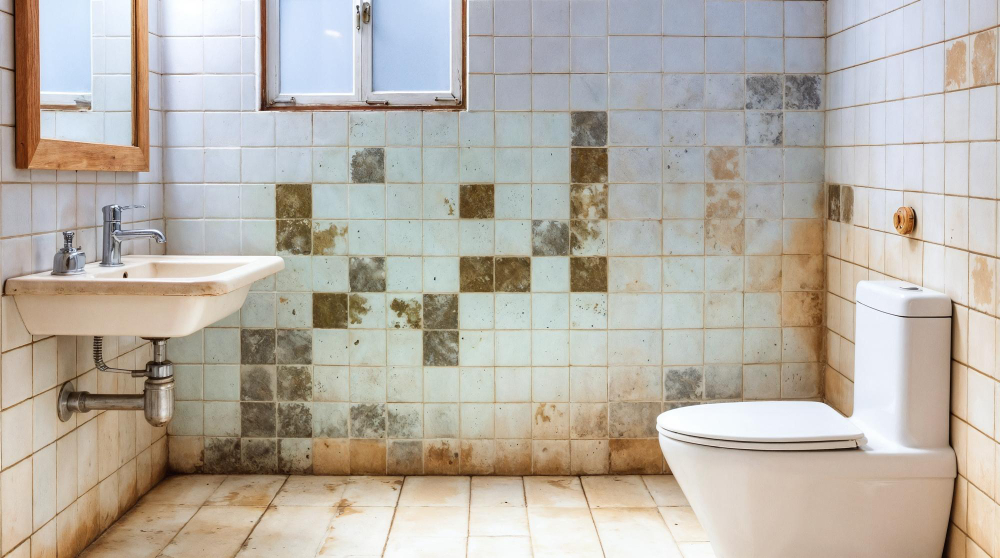
Skip a few cleanings, and the bathroom starts sending signals. Soap scum builds on shower walls. Grout darkens between tiles. A faint smell lingers even after the room airs out. None of this happens overnight, but it adds up quickly once moisture, warmth, and organic residue get left alone.
A few things show up first:
- Soap film and hard water spots on glass and fixtures
- Grime collecting along faucet bases and drain covers
- A musty smell that sticks around even with the fan running
- Visible buildup on bath mats, towels, and shower curtains
None of these issues feels urgent on its own. Together, they point to a bathroom that’s overdue for attention.
What Happens If You Don’t Clean the Toilet
The toilet collects bacteria faster than almost any other surface in the home, and skipping regular cleaning lets that bacteria settle in. Every flush sends a fine mist into the air around the bowl, carrying whatever was living on the surface. Without regular cleaning, bacteria spread to nearby surfaces, such as the floor, the wall behind the toilet, and even the handle.
Hard water and mineral deposits also build up below the waterline over time, forming stains that become harder to remove the longer they sit. A toilet bowl left untouched for weeks often develops a ring that regular scrubbing alone won’t lift. At that point, a stronger approach is needed to restore the porcelain to its original shine.
Mold and Mildew Don’t Wait Around
Bathrooms retain moisture longer than any other room in the house, making them a natural target for mold and mildew. Showers, tubs, and the areas around window sills are common starting points. Once mold takes hold in grout lines or behind a shower curtain, it spreads at a pace that catches many homeowners off guard.
Mold doesn’t just look bad. It releases spores into the air, which can affect breathing in people with allergies, asthma, or sensitive respiratory systems. A bathroom with poor airflow and infrequent cleaning gives mold the exact conditions it needs to thrive: warmth, darkness, and consistent moisture.
Addressing mold early, before it spreads across tile grout or behind fixtures, saves a lot of scrubbing later. Our residential cleaning services cover these problem areas as part of a regular routine, so mold never gets the chance to settle in for the long haul.
Odors Tell Their Own Story
A bathroom that smells off usually has something going on beneath the surface. Drains collect hair and soap residue that breaks down over time, releasing a smell that’s hard to mask with air fresheners alone.
Towels left damp on a hook develop a sour scent if they don’t dry fully between uses. Even the grout between floor tiles can hold onto odors once grime works its way into the porous surface.
Covering up a smell never solves what’s causing it. Getting to the source, whether that’s a drain, a damp towel, or buildup along the baseboards, makes a bigger difference than any spray or candle.
Keep Your Bathroom in Good Shape Long Term
A bathroom holds up best with consistent attention rather than the occasional deep scrub. Letting things slide for a few weeks isn’t the end of the world, but the buildup it leaves behind makes future cleanings tougher.
If your bathroom has fallen behind and could use a fresh start, reach out to our team, and we’ll help bring it back to a space you’re glad to walk into.
FAQs
A weekly cleaning keeps soap scum, bacteria, and mineral deposits from settling in. High-traffic bathrooms benefit from more frequent attention to surfaces like the toilet and sink.
Yes, if moisture and poor airflow stick around. Drying surfaces thoroughly and running a fan or cracking a window after showers help keep mold from returning to the same spots.
Not always. Odors often come from drains, damp towels, or grime in grout lines. Mold tends to come with visible spots, while other odors trace back to different sources.
Regular cleaning keeps mineral deposits from settling below the waterline. Once a ring forms on hard water, it takes more effort to remove than routine scrubbing would have prevented in the first place.
A light cleaning covers daily surfaces like counters and the toilet exterior. A deep clean addresses grout, drains, and buildup in areas that get overlooked during a quick wipe-down.
Recent Comments