
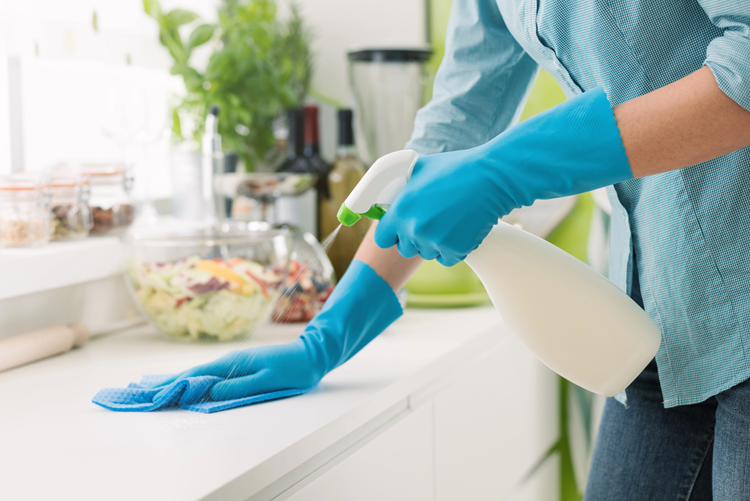
Keeping a clean and healthy home is one of the best ways to protect your family. Yet many people still confuse cleaning vs sanitizing, thinking both terms mean the same thing. In truth, they serve very different purposes, and knowing how to use each process correctly makes a big difference in how safe your space really is.
At Denver Cleaning Service Company (DCSC), we believe a spotless home starts with knowledge as much as effort. Our residential cleaning services use safe products and trained cleaners to keep your home fresher and healthier.
What Cleaning Actually Does
Cleaning is the process of physically removing dirt, dust, and other debris from surfaces. It uses soap, detergent, or solvents paired with water and a cloth or wipe to lift away visible soil. Cleaning doesn’t kill germs outright, but it removes the materials that allow bacteria and viruses to thrive.
Through washing away dust and organic matter, cleaning also helps sanitizing and disinfecting work more effectively. If a surface is covered with grime, the active ingredients in sanitizers and disinfectants can’t reach the germs underneath. This is why cleaning should always be the first step in any home hygiene routine.
The Purpose of Sanitizing
Sanitizing reduces the number of bacteria on a surface to a level considered safe by public health standards. It doesn’t kill all germs, but it helps lower the risk of illness by minimizing bacterial presence. This method is often used in kitchens and dining areas where mild, food-safe products are required.
Sanitizers are especially useful for areas that come into contact with food or children’s toys. They help make surfaces safer without using harsh chemicals. Still, it’s important to follow product labels to confirm that a sanitizer is safe for the surface or purpose you have in mind.
Why Cleaning and Sanitizing Work Best Together
Cleaning removes visible dirt, while sanitizing targets bacteria that can’t be seen. When used together, they create a strong foundation for a healthy home. A clean surface allows the sanitizer to reach more germs, making it more effective. Skipping cleaning first can leave behind residue that weakens your sanitizing product.
Professional cleaning teams clean first to remove all buildup before applying any antibacterial treatments when needed. This process ensures every area, from kitchen counters to bathroom fixtures, is not just visually clean but also safe for everyday use.
Understanding the Limits of Sanitizing
While sanitizing is effective at reducing bacteria, it does not eliminate viruses. That distinction belongs to disinfecting, which kills or inactivates both bacteria and viruses. Sanitizing lowers risk in low-exposure areas, but high-touch surfaces such as doorknobs, faucet handles, and light switches often need a disinfectant.
For most homes, regular cleaning paired with occasional disinfecting is enough. Overusing disinfectants can leave unnecessary chemicals in your environment. The key is finding a balance that keeps your home healthy without overusing strong products.
Why Disinfecting Still Matters
Disinfecting plays an important role in halting the spread of germs, especially during flu season or when someone in the home is sick. Disinfectants are the only products approved by the EPA to kill viruses on hard surfaces. Products on the EPA’s “List N” are tested and proven to inactivate emerging pathogens, including COVID-19.
Our cleaning teams use disinfectants that meet EPA standards and are safe for home environments. These products help keep high-traffic areas hygienic without harming your furniture, flooring, or air quality.
Sterilizing and When It’s Needed
Sterilizing goes beyond both cleaning and disinfecting. It eliminates every form of microbial life, including spores, fungi, bacteria, and viruses. This process is generally reserved for hospitals, laboratories, and surgical tools. It’s not something the average home needs, but it highlights how thorough germ control can become in specialized settings.
Understanding the differences between cleaning, sanitizing, disinfecting, and sterilizing helps homeowners choose the right methods for each situation. Most homes only need cleaning and occasional disinfection, while sanitizing helps keep food prep areas safe and fresh.
How to Choose the Right Method for Your Home
The best method depends on the area and how often it’s used. Kitchens and bathrooms may need frequent cleaning with sanitizing or disinfecting steps for shared surfaces. Bedrooms and living rooms might only require cleaning unless someone is sick. Choosing products labeled for your surface type and following the instructions on dwell time improves results.
The Role of Proper Technique
Even the right products won’t be effective if used incorrectly. Correct dilution, application, and dwell time determine how well a cleaning solution works. Letting a disinfectant sit for the full time listed on its label gives it enough contact to kill or deactivate germs. Rushing through steps often reduces effectiveness.
How Regular Cleaning Builds a Healthier Home
Routine cleaning is the simplest way to keep bacteria and allergens from building up. Dust, pet dander, and residue can all affect indoor air quality. Regular cleaning removes these irritants, making the home more comfortable for everyone, especially children and people with allergies.
That’s why our recurring cleaning services are so valuable. They save clients time, reduce stress, and maintain the kind of freshness that one-time cleanings can’t match. Many of our customers have stayed with us for years because they see how much consistent care matters.
Our Approach to Health and Safety
We use products that balance effectiveness with safety. Our eco-friendly methods focus on keeping homes free from both germs and harsh chemical residues. Many families trust us to clean homes with kids, pets, and sensitive surfaces because we understand how to handle each situation properly.
Our cleaners work in pairs to complete each job efficiently and carefully. Having two professionals means shorter clean times without cutting corners. It also allows for a thorough double-check process, leaving every home spotless before we leave.
Let Us Help You Keep Your Home Healthier
A cleaner home is a healthier home, and understanding cleaning vs sanitizing helps make that possible. If you want to spend less time scrubbing and more time enjoying your space, our team at Denver Cleaning Service Company is ready to help.
We offer flexible, affordable, and friendly residential cleaning services that fit your schedule and your lifestyle. With experienced cleaners, eco-friendly products, and dependable results, we make maintaining a spotless home simple. Contact us today to request your quote and experience the difference a trusted cleaning team can make.
Recent Comments