
Keeping your home clean starts from the ground up, and knowing how to mop the floor can make a big difference in how your space looks and feels. Many homeowners think mopping is simple, but small mistakes can leave streaks, spread dirt, or even damage flooring over time. A better approach saves time and keeps your floors looking fresh longer. With the right tools and a simple routine, you can get better results without extra effort. A clean floor also helps improve indoor air quality by removing dust and allergens. It creates a more comfortable space for daily living.
Start With the Right Tools and Supplies
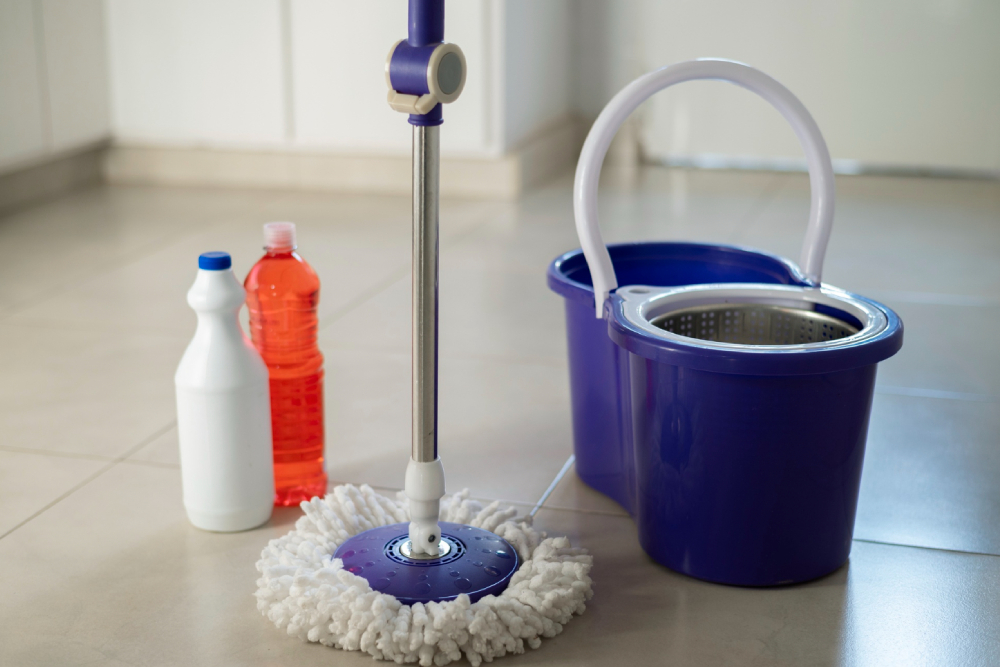
Good results begin with the tools you use. A quality mop matters more than most people expect. Microfiber mops work well because they trap dirt instead of pushing it around. A sturdy bucket with a wringer also helps control how much water stays on the floor.
The cleaning solution choice depends on your floor type. Hardwood floors need gentle cleaners, while tile can handle stronger products. Avoid using too much soap, since it can leave residue behind. A clean mop head is just as important, so wash or replace it often.
Understanding Your Floor Type Matters
Not all floors should be cleaned the same way. Different materials have different needs, and using the wrong method can cause damage over time. Hardwood floors require minimal water and gentle, pH-neutral cleaners to avoid warping or stripping the finish. Tile floors are more durable but still benefit from proper care, especially when grout lines collect dirt that requires attention.
Laminate flooring sits somewhere in between. It looks like wood but cannot handle the same moisture levels. Using a damp mop rather than a wet one is essential for laminate surfaces. Knowing what your floors are made of helps you choose the right products and techniques. When in doubt, check with your flooring manufacturer or ask a professional for guidance.
Sweep or Vacuum Before You Mop
Loose dirt should always come off the floor first. Skipping this step turns mopping into a mess. Dust, crumbs, and debris mix with water and create streaks or muddy spots.
Use a broom or vacuum to remove surface dirt. Pay extra attention to corners and edges. Those areas collect more dust than you might expect. Once the floor is clear, mopping becomes faster and more effective.
Use the Right Amount of Water
Too much water can damage certain floors. Hardwood and laminate surfaces are especially sensitive. A damp mop works better than a soaking wet one.
Dip the mop into your solution, then wring it out well. The mop should feel slightly wet, not dripping. Excess water can leave streaks or cause swelling in wood floors. Keeping moisture under control helps protect your surfaces over time.
Mop in Sections for Better Results
Breaking the floor into small sections makes cleaning easier. Start in one corner and work your way across the room. This keeps you from stepping on freshly cleaned areas.
Move the mop in smooth, controlled strokes. A figure-eight pattern works well for many surfaces. It helps pick up dirt instead of spreading it around. Rinse the mop often so you are not pushing dirty water across the floor.
Change Dirty Water As Needed
Water gets dirty faster than most people realize. Continuing to mop with cloudy water reduces cleaning results. It can even leave floors looking dull.
Empty the bucket and refill it when the water starts to look murky. Fresh solution helps lift dirt more effectively. This simple step makes a noticeable difference in the final result.
Dry the Floor for a Clean Finish
Letting floors air dry works in some cases, but drying them yourself gives a better finish. A clean, dry mop or microfiber cloth helps remove leftover moisture.
Drying also reduces streaks and water spots. It keeps floors looking polished instead of hazy. For high-traffic areas, this step helps prevent slips and keeps your home safer.
Why Grout Lines Need Extra Attention
Grout lines are often overlooked during regular mopping, yet they are one of the first places where dirt becomes visible. Grout is porous, which means it absorbs spills and traps debris more easily than the tile surface itself. A quick mop often skips over these recessed areas, allowing buildup to accumulate over time.
For a more thorough clean, using a soft brush or grout-specific tool along with your cleaning solution helps lift dirt from these lines. Sealed grout holds up better against stains and is easier to maintain. If grout has not been sealed or has become heavily discolored, a deeper clean may be needed to restore its original appearance.
Avoid Common Mopping Mistakes
Many cleaning issues come from simple habits. Using too much cleaner is one of the most common problems. It leaves a sticky film that attracts more dirt.
Another mistake is using the same mop water for the entire home. That spreads grime instead of removing it. Ignoring the type of flooring can also lead to damage. Adjust your method based on the surface you are cleaning.
Keep a Consistent Cleaning Routine
Regular mopping and cleaning keeps dirt from building up. High-traffic areas like kitchens and entryways need more attention. A weekly schedule works well for most homes.
Consistency reduces the effort needed each time you clean. Floors stay in better condition and look cleaner overall. Small routines often lead to better long-term results than occasional deep cleaning.
When to Call in Professional Help
Some situations call for extra support. Move-out cleanings, post-construction jobs, and heavy buildup can take more time and effort than expected. Professional teams handle these tasks more efficiently.
At Denver Cleaning Service Company, we handle everything from recurring home cleaning to detailed deep cleans. Our team works quickly and focuses on the areas that matter most to you. We also bring the right tools and products for different floor types. This helps improve results and saves you time.
If you want spotless floors without the hassle, contact us today and let us take care of the cleaning for you.
Recent Comments