
Quick Summary
Residential construction cleaning is a specialized service that removes the fine dust, debris, and residue left behind after a remodel or new build, going well beyond what a normal cleaning routine can handle. It typically happens in phases: a rough clean, a detailed final clean, and sometimes a touch-up visit, and covers everything from vents and window tracks to cabinet interiors. Homeowners searching for help near them should look for a team experienced specifically with post-construction dust and equipped with proper filtration. Once the crew clears out, switching to regular residential cleaning keeps a freshly finished space looking that way for good.
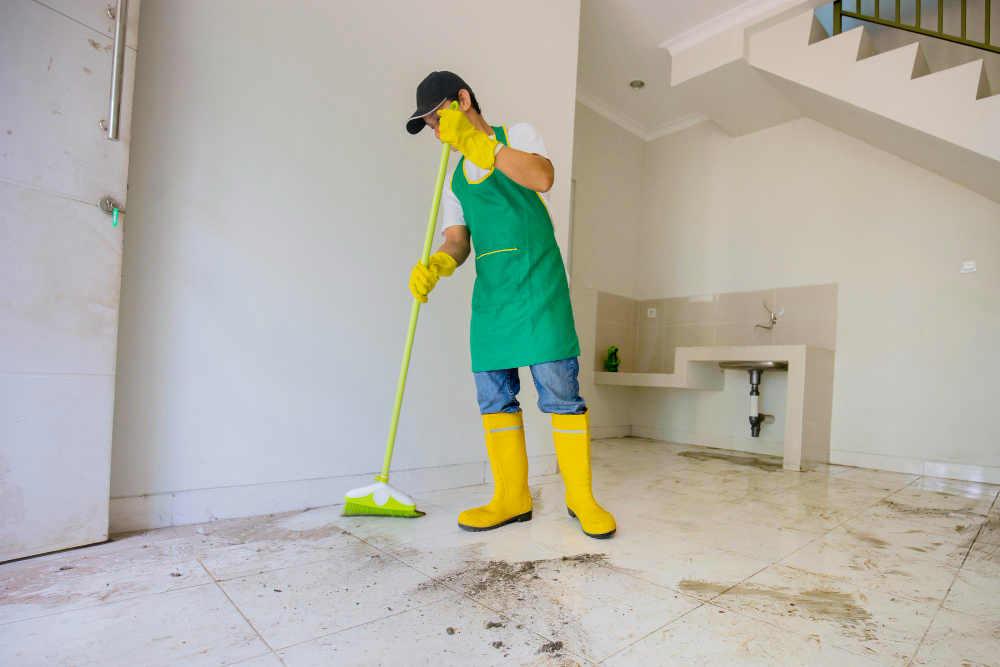
Finishing a remodel or a brand new build feels like the finish line, until you walk in and see the layer of dust covering every surface. So, what is residential construction cleaning, exactly? It is a specialized cleaning process designed to remove the debris, dust, and residue that construction work leaves behind, turning a job site into a livable home. It goes far beyond a normal cleaning routine, because construction dust settles into places a regular vacuum or mop was never built to reach.
Why Construction Leaves Behind More Than Dust
Drywall dust, sawdust, paint residue, and adhesive overspray settle into carpet fibers, air vents, light fixtures, and even inside cabinets that were closed during the project.
Regular household cleaning supplies are not built to handle this kind of fine, often abrasive debris, and using the wrong tools can grind dust deeper into surfaces instead of lifting it away.
That is why residential construction cleaning uses a different approach entirely, with tools and techniques suited to the aftermath of a build rather than everyday upkeep.
The Three Phases of Construction Cleaning
- Rough clean: removing large debris, leftover materials, and heavy dust before finishing work begins
- Final clean: detailed cleaning of every surface once construction wraps up, including baseboards, vents, and windowsills
- Touch-up clean: a light pass a few days after move-in to catch any dust that resettles
Most homeowners only need the final clean, but larger renovations often benefit from all three phases to keep dust from spreading into finished areas of the home.
Skipping a phase can mean dust migrates into rooms that were already complete, undoing work you paid a contractor to finish.
What Residential Construction Cleaning Services Actually Cover
A thorough residential construction cleaning service should cover far more than sweeping floors. Expect detailed dusting of every ledge, vent, and fixture, deep cleaning of windows and window tracks where drywall dust collects, wipe-downs of cabinets inside and out, and sanitizing of bathrooms and kitchens that may have been used by the construction crew. Floors typically need multiple passes, since a single vacuum or mop rarely lifts all the fine dust that settles after cutting and sanding.
For a full breakdown, our new construction cleaning checklist covers exactly what a proper final clean should include, room by room.
Residential Construction Cleaning Services: What to Look for
If you are searching for “residential construction cleaning services near me”, look for a team with experience specifically in post-construction environments, not just general house cleaning. Ask whether they bring commercial-grade vacuums with HEPA filtration, since standard vacuums often just recirculate fine dust back into the air.
Ask how many cleaners they send and how long the job typically takes, since construction cleanups usually require more hands than a routine visit.
Denver Cleaning Service Company sends two trained cleaners to every appointment, which cuts the total time on site significantly compared to companies that send just one person to save on labor costs.
Residential Cleaning Services After the Crew Leaves
Once the construction cleanup is done, most homes settle into a normal rhythm of maintenance again. This is a great time to set up recurring residential cleaning services, since keeping up with regular visits prevents dust and grime from building back up the way it did during the project.
Many of our clients start with a construction cleanup and then transition straight into a biweekly or monthly schedule, which keeps their newly finished space looking the way it did on day one.
Commercial Construction Cleanup
If your project involves a rental property, office buildout, or multi-unit building, the scope shifts closer to commercial territory. Our commercial cleaning services team handles larger construction cleanups for property managers and business owners across the Denver metro area, using the same detailed, phased approach adapted for bigger spaces.
Tools and Equipment That Make a Difference
The equipment used during a residential construction cleaning job matters just as much as the checklist itself. Commercial-grade vacuums with HEPA filtration capture fine particles that a standard household vacuum simply pushes back into the air.
Extendable dusters reach high ceilings, light fixtures, and the tops of cabinets without requiring a ladder for every pass. Microfiber cloths trap dust rather than smearing it, and specialized degreasers cut through adhesive residue on floors and countertops without damaging the finish underneath.
Homeowners attempting the job themselves often underestimate how much the right tools change both the outcome and the time it takes to get there.
Common Mistakes to Avoid
One of the most common mistakes is starting the cleaning process too soon, before all dust-producing work like sanding and cutting has finished, which just means redoing the job later. Another is using a dry cloth or duster on drywall dust, which tends to scatter fine particles into the air instead of capturing them.
Skipping window tracks and vents is another frequent oversight, since these areas collect a surprising amount of debris that becomes obvious the moment sunlight hits them. Taking a systematic, room-by-room approach, starting from the ceiling and working down to the floor, helps avoid re-contaminating surfaces you already cleaned.
How to Prepare for the Cleaning Crew
A little preparation on your end can make the process smoother. Confirm with your contractor that all major dust-producing work is truly finished before scheduling the final clean. Clear a path for the crew to move through the home easily, and let us know ahead of time about any delicate surfaces, like freshly sealed hardwood or natural stone, that need extra care.
Sharing these details in advance helps us plan the right approach and equipment before we even arrive, which keeps the visit efficient and avoids any surprises on cleaning day.
Ready to enjoy your newly remodeled or built home without the leftover construction mess? Contact Denver Cleaning Service Company today for thorough residential construction cleaning tailored to your space.
Frequently Asked Questions
It depends on the size of the project, but most single-family homes take a full day with a two person team, while larger renovations may need two visits.
Fine construction dust can irritate the lungs and aggravate allergies or asthma, which is why proper filtration and thorough cleaning matter, especially before moving young children or pets back in.
You can, but it typically takes far longer than expected and household vacuums often lack the filtration needed to fully capture fine dust, leaving it to resettle within days.
Recent Comments