
Quick Summary
Denver dry climate cleaning is different: dry air, high elevation, and frequent wind change how quickly homes collect dust and how often they need cleaning. Low humidity lets fine particles drift and settle, indoor heating dries air further in winter, and strong sunlight at altitude can fade and bake surfaces. Most Denver households benefit from a recurring light cleaning every one to two weeks, with a deeper clean each season. Homes with pets, allergies, or humidifiers may need more frequent attention, especially in winter and during dry, windy stretches.
Anyone who has moved to the Mile High City knows the first-year surprises: static shocks from the doorknob, dry skin, and a thin layer of dust that seems to return the day after you wipe it. These are not imagined. Denver dry climate cleaning is a genuine consideration, because the conditions that make Colorado pleasant also change how homes behave.
Denver’s climate in brief
Denver sits at roughly 5,280 feet above sea level and receives relatively little precipitation, with sunny days common throughout the year. The National Weather Service office in Boulder publishes detailed local climate data for Denver, including records dating back to 1872. Relative humidity here often drops into the 20s on summer afternoons, well below what many other American cities experience, and winter heating pulls even more moisture from indoor air.
Dry air matters for cleaning because it changes how particles behave. Without moisture to weigh dust down or bind it to surfaces, fine particles stay airborne longer, travel farther through a home, and settle on every horizontal surface. Static electricity, which builds more readily in dry conditions, also attracts dust to screens, electronics, and baseboards.
Where the dust comes from
Dust is not simply a sign of neglect. The U.S. Environmental Protection Agency explains that people carry soil and dust indoors on shoes and clothing, along with pollutants that cling to those particles, and that outdoor climate and weather conditions influence indoor air quality. In Denver, breezy afternoons, construction activity, and dry ground all contribute to the supply of fine material outdoors. Open windows, door traffic, and pets bring more of it in.
Seasonal events can add to the load. Wildfire smoke and haze drift into the Front Range during some summers, leaving a fine residue on window sills and floors. If you notice a film after a smoky week, a dusting and floor cleaning is worth scheduling sooner rather than later.
The winter factor: dry heat and humidifiers
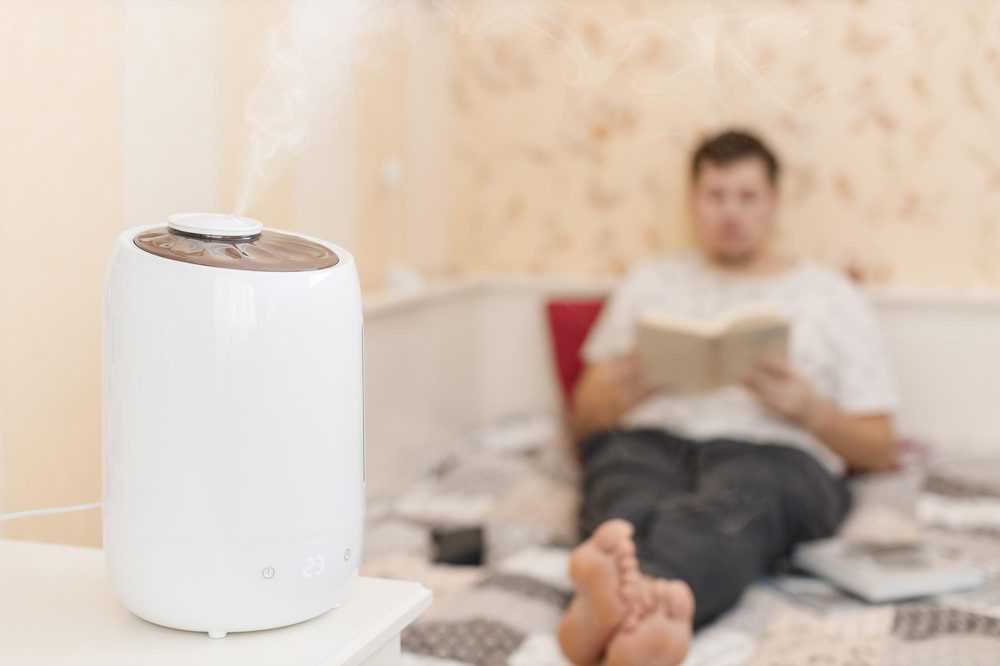
When furnaces run, indoor humidity can fall dramatically. Many Denver households respond with humidifiers, which solve one problem and create another. The EPA recommends keeping indoor relative humidity below 60 percent, and ideally between 30 and 50 percent, because excess moisture supports mold growth. Its guidance on mold, moisture, and your home also notes that bathrooms and other damp areas often need more frequent cleaning and better ventilation to prevent mold from recurring.
In practical terms, that means three things. Clean humidifier tanks and filters on the manufacturer’s schedule. Watch for condensation on windows and clean sills regularly.
Give bathrooms consistent attention, since showers are where moisture concentrates. Dry homes and humidified homes both need maintenance, just of different kinds.
Sunshine and altitude
Elevation brings stronger sunlight, and Denver’s abundant sun can be hard on surfaces. South-facing windows, hardwood floors, upholstery, and window coverings can fade or dry out over time. Clean glass lets in even more light, which is lovely but also increases exposure. Regular dusting and gentle cleaning of sensitive surfaces help them last, and keeping blinds and sills free of grit prevents scratches when they are moved.
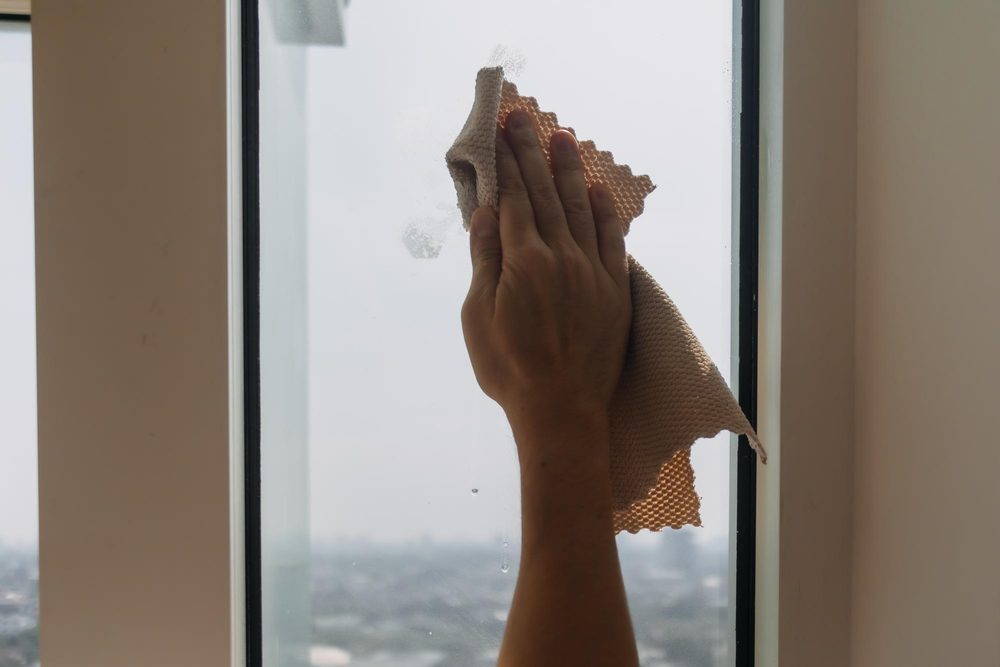
Altitude also changes how surfaces dry. In thin, dry air, a cleaning product can dry before it is wiped, which is helpful on mopped floors but can leave streaks on glass and mirrors. Working in smaller sections and finishing with a clean, dry microfiber cloth keeps the shine clear.
Denver dry climate cleaning: how often should you clean?
There is no single schedule, but the following guidelines for Denver dry climate cleaning suit many households.
- Light cleaning every one to two weeks: For most homes, a recurring light cleaning keeps up with the steady arrival of fine dust, kitchen and bathroom use, and floors. Households with pets, children, allergies, or home offices often prefer weekly visits.
- Deep cleaning each season: A deeper clean every three months or so reaches the places that daily life ignores: appliance interiors, window sills, baseboards, and the details that dust loves to settle on. Late fall, before the holidays, and spring, after the heating season ends, are popular times.
- Extra attention after specific events: Smoke days, renovations, windy stretches, and heavy pollen periods all justify an additional visit.
Our recurring cleaning services are offered weekly, biweekly, or monthly, and we recommend a light cleaning for recurring visits and a deep cleaning for a more thorough reset. You can adjust the frequency as the seasons change.
Pets, allergies, and home offices
Some households need to adjust the baseline. Pets shed hair and dander year-round, and the EPA lists pet dander among the indoor pollutants that can trigger asthma in some people, along with dust mites and mold.
If anyone in your home has allergies or asthma, more frequent vacuuming, dusting, and bathroom cleaning can make a noticeable difference, and fragrance-free products are available on request.
Home offices, with their cables, screens, and shelves, collect dust quickly, particularly in dry weather when static is high. Weekly attention to these spaces keeps them manageable.
Entryways deserve a mention too. Mats at each door, a quick sweep of the porch, and a shoe-free habit keep tracked-in grit from spreading, and they make every scheduled cleaning go further. In a dry climate, that grit turns to fine dust quickly, so the entrance is where prevention pays off most.
A local perspective
We clean homes across Denver, and we plan around the climate. Our crews adjust their approach for the home in front of them, from covering entryways thoroughly in households with dusty yards to paying extra attention to sills and vents in homes that run humidifiers all winter. If you want help setting a schedule, our cleaning services in Denver can recommend a plan based on your home, your family, and your habits.
Ready to build a schedule that fits Denver?
Tell us about your home, and we will suggest a cleaning rhythm that keeps up with the climate. Request a free quote from Denver Cleaning Service Company, and we will respond promptly.
FAQs
Dry air lets fine particles stay airborne longer, and static electricity helps them cling to surfaces, so many residents notice dust returning quickly. Outdoor sources and tracked-in soil add to it.
The EPA suggests keeping indoor relative humidity below 60 percent, ideally between 30 and 50 percent. An inexpensive humidity meter makes it easy to track.
Not for everyone. Biweekly cleaning suits many homes, while pets, allergies, small children, or a home office make weekly service worthwhile.
Recent Comments