
Quick Summary
Spring cleaning is a deeper, seasonal cleaning process that goes beyond everyday maintenance, covering tasks like window tracks, baseboards, appliance interiors, and areas behind furniture. It matters both for health, since it removes built-up allergens and dust, and for home maintenance, since it helps catch small issues before they grow. Whether tackled as a DIY project or handled by professional residential cleaning services, spring cleaning gives homeowners a genuine reset each year, improving both the look and feel of their home as the seasons change.
Every spring, the phrase “spring cleaning” gets thrown around a lot, but few people stop to think about what it actually means or why it is worth the effort.
So, what is spring cleaning, exactly, and why does it matter beyond just tradition? Let us break it down.
Where the Tradition Comes From
The tradition of spring cleaning dates back hundreds of years. After long winters, families needed to remove soot left behind by wood and coal fires while opening their homes to fresh air after months of closed windows.
Modern homes may no longer deal with heavy fireplace soot, but the reasons behind spring cleaning remain relevant.
During the winter, windows stay closed, airflow decreases, and people spend more time indoors. Dust, allergens, and household clutter naturally build up throughout the season, which makes spring the ideal time for a thorough reset.
What Spring Cleaning Actually Includes
Spring cleaning is much more comprehensive than a standard weekly cleaning routine. It focuses on detailed tasks that are often postponed during everyday maintenance.
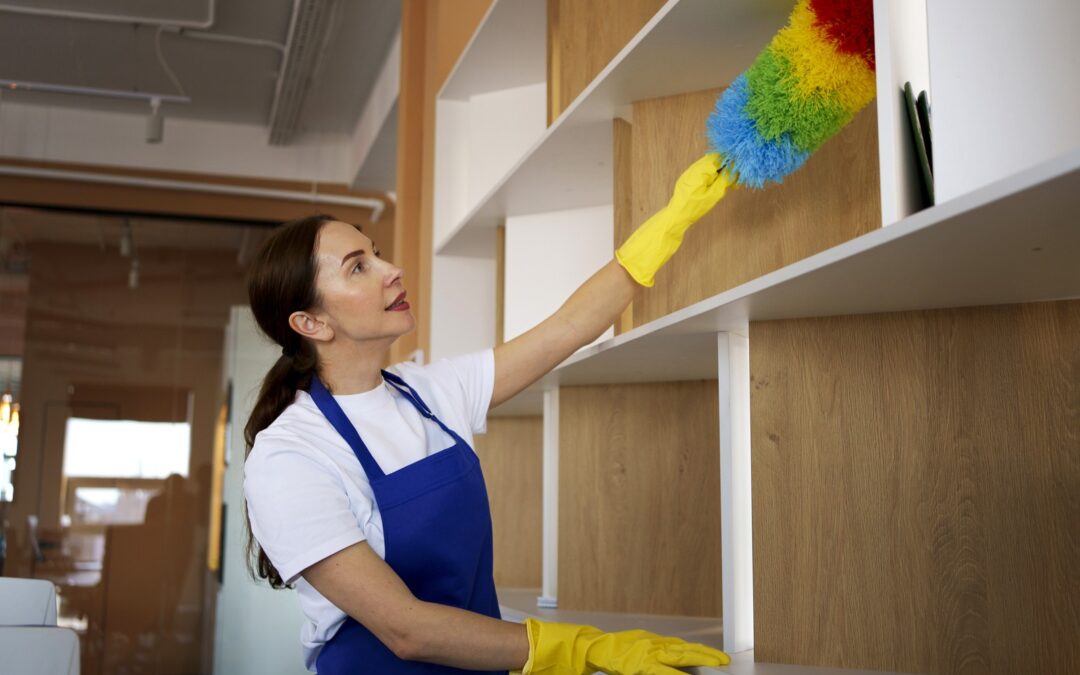
Common jobs include washing interior and exterior windows, wiping baseboards and door frames, cleaning behind and underneath heavy furniture, dusting ceiling fans and light fixtures, and organizing cabinets and closets to remove items you no longer use.
Many homeowners also clean the inside of major appliances, including ovens, refrigerators, and dishwashers. Curtains, area rugs, and other household textiles often receive attention as well since they are not cleaned as frequently as other surfaces.
The primary goal is to remove months of accumulated dust, dirt, and grime from every part of the home.
Why it Matters for Your Health
Beyond the visual payoff of a tidy home, spring cleaning has real health benefits. Dust, pet dander, and allergens build up in carpets, vents, and upholstery over the winter, and the Asthma and Allergy Foundation of America notes that indoor allergens can significantly affect people with seasonal allergies and asthma, particularly as homes stay sealed for long stretches.
Removing that buildup can genuinely improve indoor air quality and reduce allergy symptoms as the seasons shift.
A cleaner home can also have a positive effect on mental well-being. Research has linked cluttered living environments with higher levels of stress. Organizing and thoroughly cleaning your home often creates a stronger sense of comfort, control, and relaxation.
Why it Matters for Home Maintenance
Spring cleaning also serves as an opportunity to inspect your home more closely. While cleaning, you may notice worn window seals, dust-filled vents, loose fixtures, or small signs of mold in damp areas such as bathrooms. Finding these problems early often leads to simpler and less expensive repairs.
The season is also an ideal time to declutter. Many households gradually collect unused belongings throughout the year without realizing how much has accumulated. A dedicated spring cleaning session creates the perfect opportunity to sort through those items and free up valuable space.
DIY Versus Hiring a Professional
Some homeowners tackle spring cleaning themselves, spreading it out over a weekend or a few evenings. Others prefer to bring in residential cleaning services to handle the deeper, more time-consuming tasks. There is no wrong choice here. It really comes down to how much time you have and how thorough you want the results to be.
Professional cleaning teams use specialized equipment and proven techniques to clean areas that are easy to overlook, including window tracks, vent covers, and the spaces behind large appliances.
Hiring experienced cleaners can also save significant time while delivering consistently detailed results.
How to Prepare for Spring Cleaning
A little preparation makes the entire process more efficient.
Start by putting away everyday clutter, separating items that can be donated or discarded, and creating a checklist for each room. Focusing on one space at a time keeps the project manageable and prevents it from becoming overwhelming.
If you plan to hire a professional cleaning company, preparing your home is even easier. Clearing personal belongings from countertops, tables, and floors gives the cleaning crew better access to surfaces, furniture, and other hard-to-reach areas.
How Often Should You Schedule a Spring Cleaning?
Although spring cleaning is traditionally completed once each year, many households benefit from scheduling deep cleaning more frequently.
Homes with children, pets, or heavy daily activity tend to collect dust, dirt, and allergens much faster than homes with fewer occupants. In these situations, scheduling another deep cleaning during the fall can help maintain a healthier indoor environment throughout the year.
The best schedule depends on your lifestyle, household size, and how consistently routine cleaning is performed. Weekly maintenance keeps your home looking tidy, while seasonal deep cleaning removes hidden dirt and buildup that develops gradually over time.
How Denver Cleaning Service Company Approaches Spring Cleaning
At Denver Cleaning Service Company, we treat spring cleaning as its own dedicated service rather than a slightly longer version of a regular clean. Our checklist is built specifically for the deeper tasks that spring cleaning is meant to cover, and we adjust based on the size and layout of your home.
If you want to know what this looks like cost-wise, our post on the cost of spring cleaning in Denver breaks down pricing in detail.
We also recommend checking out the benefits of spring cleaning if you want a deeper look at how this seasonal reset impacts your home and daily life.
When you are ready to schedule your own spring cleaning, contact us and we will put together a plan tailored to your space.
FAQs
Spring cleaning goes beyond routine tasks and covers deeper jobs like baseboards, window tracks, appliance interiors, and areas behind furniture that are not part of a typical weekly clean.
While it is traditionally done in early spring, many homeowners schedule it whenever their home needs a reset, whether that is late winter or early summer.
Yes. Removing built-up dust, pet dander, and allergens from carpets, vents, and upholstery can noticeably improve indoor air quality, especially for people with allergies.
For an average home, spring cleaning can take anywhere from four to eight hours, depending on square footage and how much detail work is needed.
Recent Comments